
Why We Do What We Do
Foster families carry more than most people ever see — big emotions, hard transitions, and moments that need space, support, and understanding. These five snapshots capture why TSC exists and why trauma-informed outdoor spaces matter so deeply for children and their caregivers.
(To learn more, click on the drop-downs and buttons below.)
-
![Side profile of a young boy with short hair, lying down in a dark setting, illuminated by a soft light.]()
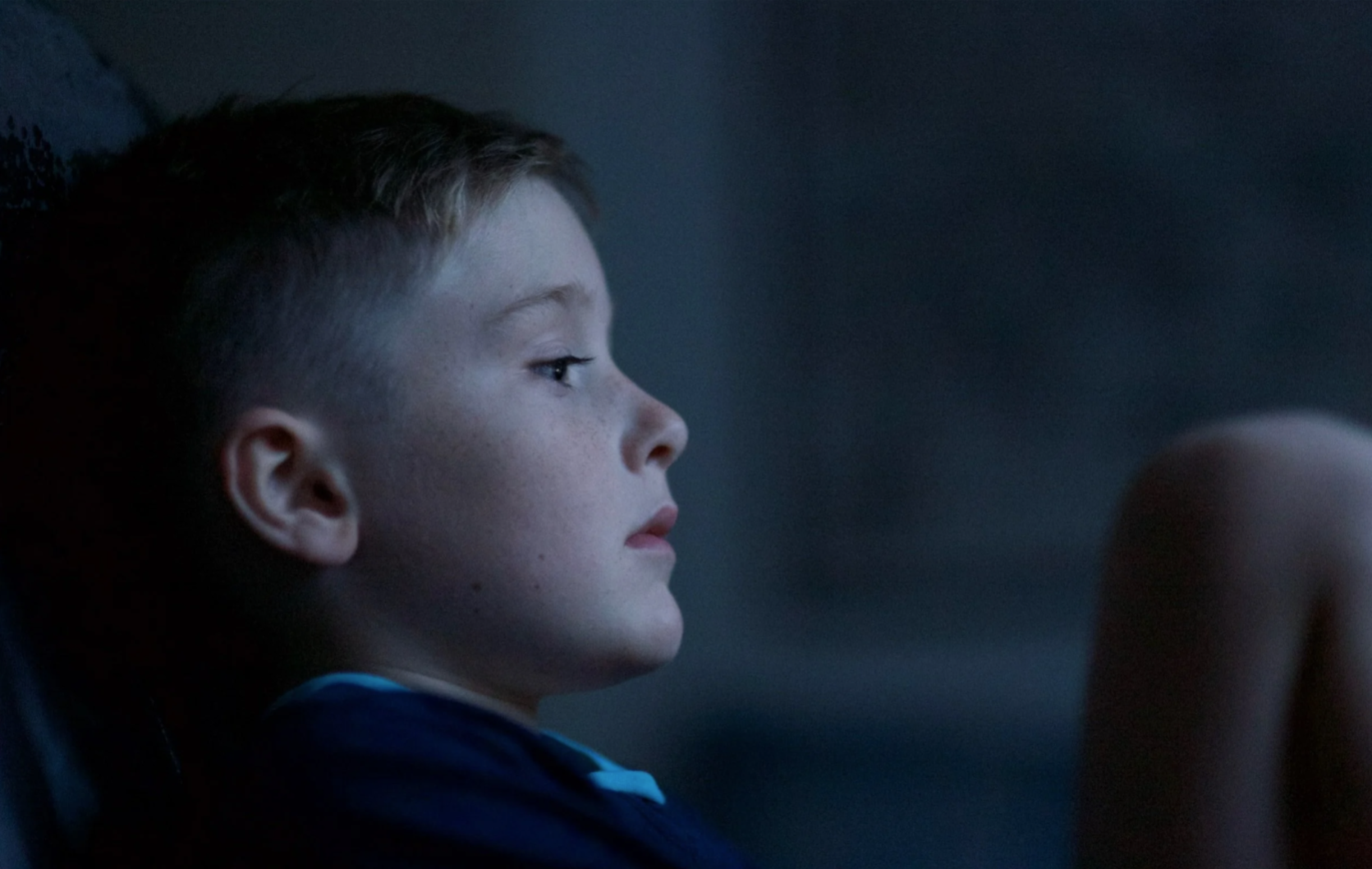
The trauma experienced in foster care cannot be overstated.
Children in foster care carry trauma from deep disruption, instability, transitions, and other experiences no child should ever face. These realities occur before, during, and after their time in care. Families need spaces and communities that understand these realities — and support them accordingly.
-
![A young girl with braided hair smiling and playing outdoors on a sunny day.]()
Nature heals in quiet, powerful ways.
Nature restores what trauma disrupts. Outdoors, children find calming rhythms that help their bodies regulate and their emotions soften. Caregivers also get space to breathe, reconnect, and find moments of ease in the midst of challenging days.
-
![A black metal bench with wooden slats in the middle of a green lawn with small white flowers, surrounded by lush green trees and bushes.]()
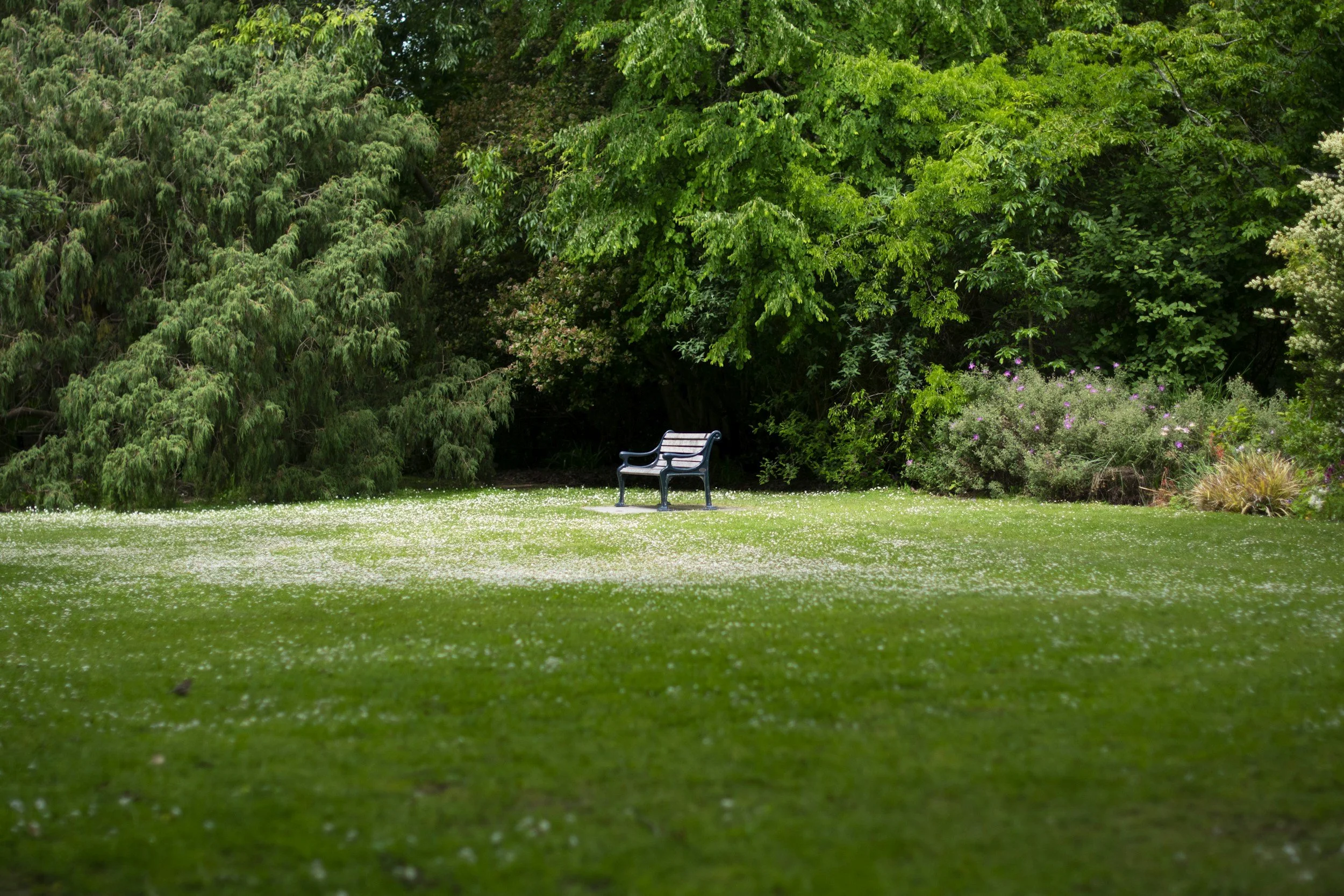
Spaces exist, just not with foster families in mind.
Outdoor places that could help foster families are all around us, but they’re rarely designed with their needs in mind. Many feel out of reach, unwelcoming, or unpredictable for children processing big emotions. With intention, these everyday spaces can become supportive places for grounding, connection, and joy.
-
![Kids and adults petting a brown rabbit and a small black puppy outside on grass, with some people wearing headphones.]()
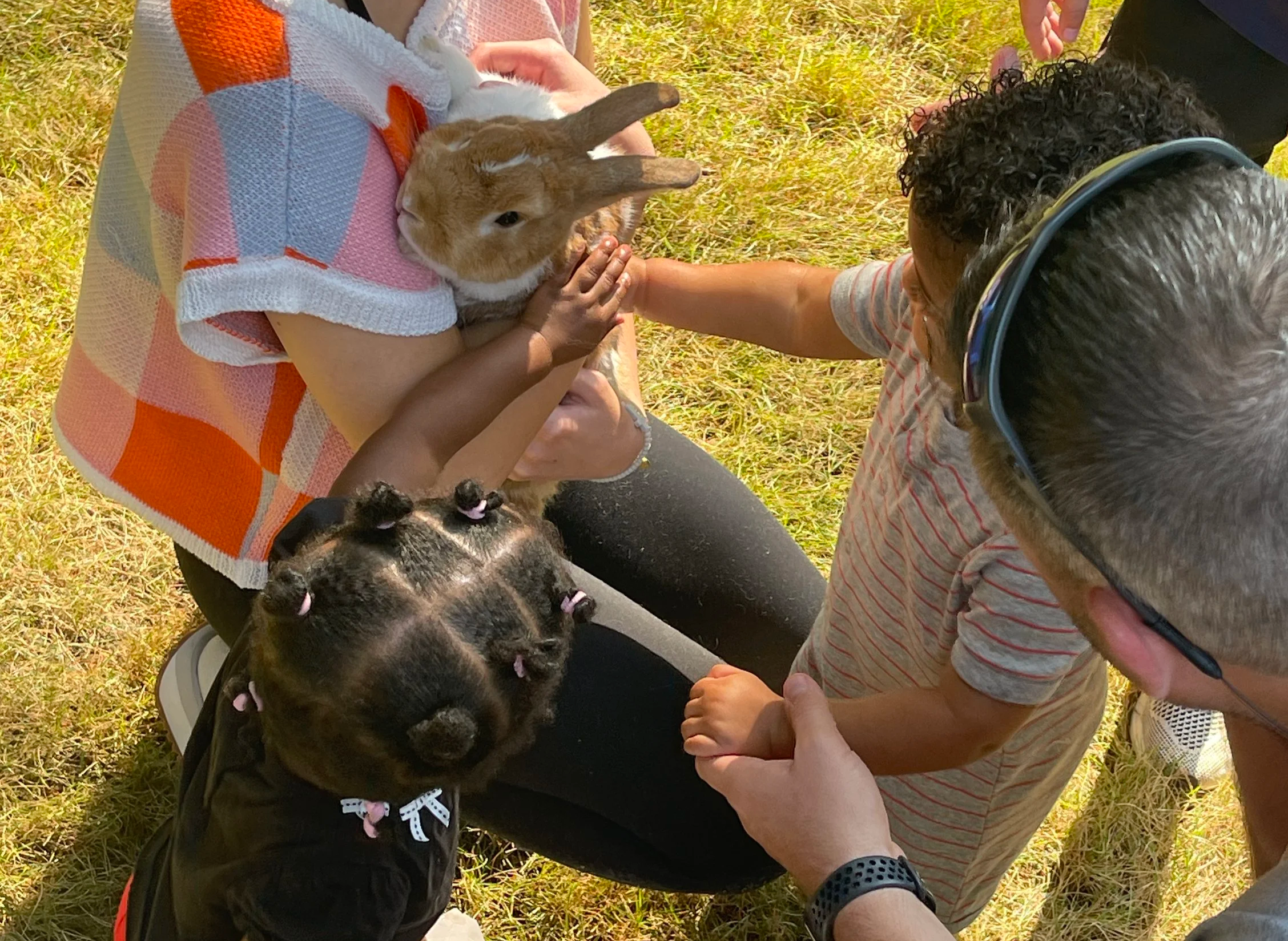
TSC connects these dots for the Foster Care Community.
TSC brings together trauma-understanding, the healing power of nature, and the potential of everyday outdoor spaces. We design places that support big feelings, play, and reconnection — for both children and caregivers. With community support, these spaces help make the journey more sustainable.
-
![A large group of children, teenagers, and adults gathered outdoors in a wooded backyard for a celebration, with some children holding balloons and others smiling and posing for the photo.]()
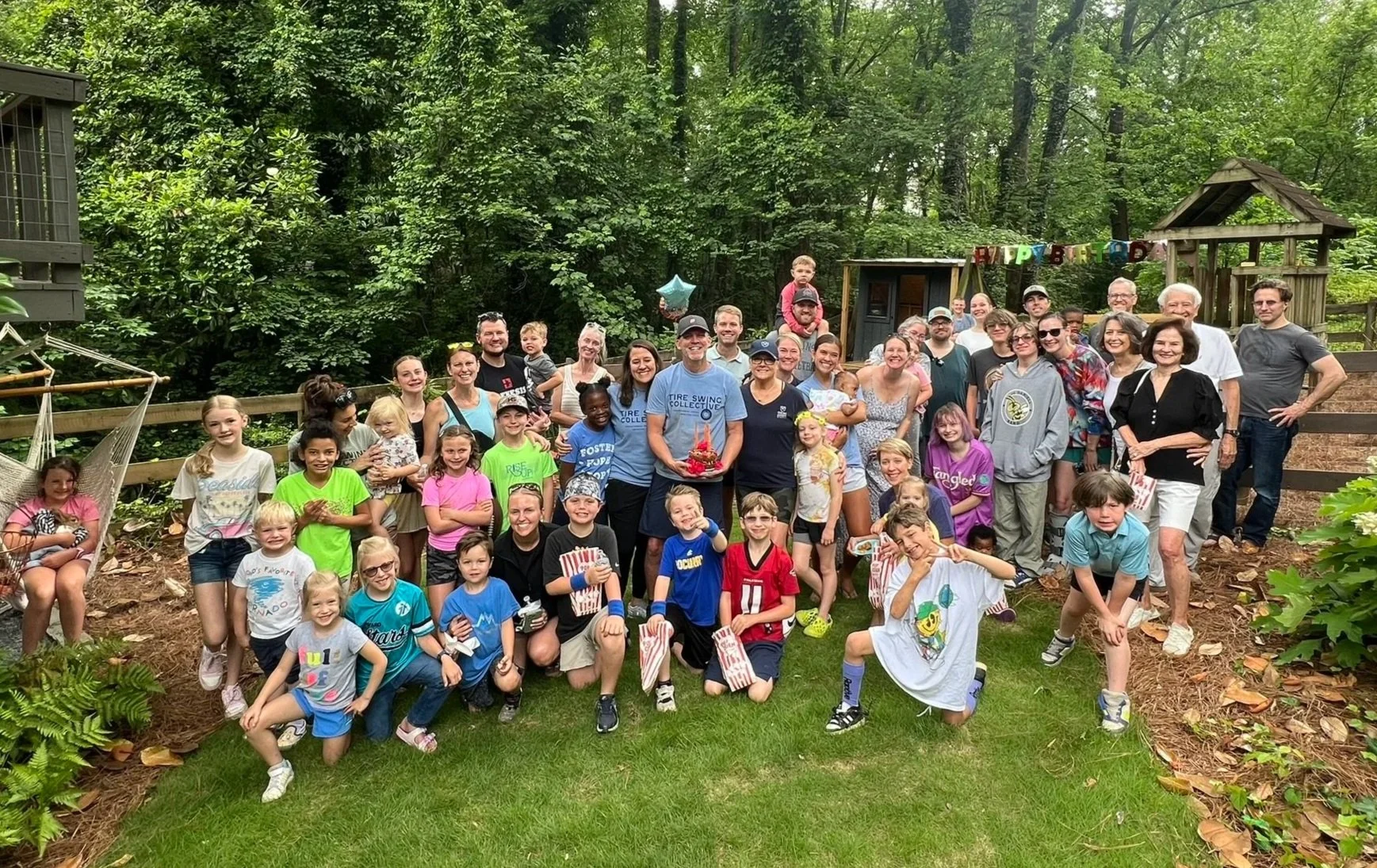
Community makes healing and belonging possible.
Healing deepens when foster families aren’t alone. Community brings steadiness, presence, and practical help that anchor families through hard moments. When people open their lives and spaces, children feel welcome — and belonging can take root.

-
Children in foster care carry trauma that comes from disrupted relationships, instability, and experiences no child should have to navigate. These disruptions affect everything from emotional regulation to trust, safety cues, and the ability to connect with others — especially during the critical years when their brains and relationships are still developing. Much of this trauma happens in ways that are not always easily seen — before they enter care, while in care, through transitions, and even during reunification. These experiences leave children carrying emotions that need space, patience, and care to process.
Caregivers shoulder their own weight as they guide their families through these shifts. They manage stress, uncertainty, and the demands of navigating a complex system — often while juggling the emotional fallout children experience throughout their foster care journey. Foster care is demanding for everyone involved and often unfolds without steady, predictable environments where families can feel grounded, supported, and safe. What children and caregivers carry is real — and it requires spaces and communities that genuinely understand their needs.
-
Outdoor places that could offer rest, regulation, and connection for foster families are all around us — personal, private, and public. Yet many of these spaces feel, or truly are, out of reach. They’re not designed with trauma-awareness, predictable rhythms, or sensory needs in mind. They often lack clear boundaries, calming cues, or simple elements that help children feel safe. And they’re seldom dedicated or intentionally set aside in ways that help foster families feel welcomed, understood, and supported.
Foster families often need outdoor spaces where children can decompress after visits, process difficult news, regroup after big emotions, or simply release the weight of a demanding day. These moments don’t always fit neatly into a living room or public setting — they need fresh air, movement, room to breathe, and places where caregivers can stay close while giving children space to unwind. With intention and care, backyards, neighborhood gathering spots, parks, and church grounds can become calming, supportive environments where grounding, joy, and connection unfold naturally. The potential is already here; it simply hasn’t been created with foster families — or their lived realities — at the center.
-
Healing deepens when foster families aren’t carrying the journey alone. A caring community brings consistency, shared presence, and practical support — the steady, sustaining ingredients that help children and caregivers feel anchored during difficult moments and throughout everyday life.
When neighbors, volunteers, and partners open their spaces, time, and lives to foster families, children experience something essential: “We’re welcome here. We belong.” That sense of belonging strengthens resilience, lightens the load caregivers carry, and makes the foster care journey far more sustainable.
Community doesn’t replace the challenges of foster care — it surrounds those challenges with support, presence, and compassion. In community, outdoor spaces become more than places to play or gather; they become places where healing can continue and belonging can flourish.
-
The natural world offers what trauma often takes away — calm, rhythm, and space to breathe. In nature, children find steady sensory cues: the warmth of sunlight, the rustle of leaves, the feeling of movement, and the grounding presence of soil, grass, and water. These simple, predictable elements help regulate the nervous system, lower stress, and create just enough calm for big feelings to soften. For many children in foster care, outdoor time becomes a safe place to release emotions, reconnect with their bodies, and experience moments of joy or wonder that trauma often masks.
For caregivers, nature provides margin — emotionally, mentally, and relationally. The outdoors slows the pace and reduces the pressure to “manage behavior.” It creates space for connection that feels organic rather than forced, allowing caregivers and children to be side by side in ways that strengthen attachment. Whether it’s a breath of fresh air after a difficult visit, a moment of grounding during a stressful day, or simply a familiar spot to play and unwind, nature becomes a steady, healing partner for families on the foster care journey. And because it is always available, nature can meet families right where they are.
-
Tire Swing Collective brings together what foster families need most: an understanding of trauma, the healing power of nature, and the potential within everyday outdoor spaces. We pay attention to the real moments families navigate — the big feelings before and after visits, the stress of transitions, and the simple need for places where children can play, explore, and have fun while caregivers catch their breath.
Through trauma-informed design, steady presence, and the support of people willing to show up, TSC helps create outdoor places shaped for the everyday realities of foster care. We consider what helps children feel safe, what gives caregivers margin, and what allows families to reconnect on their hardest days — in ways that invite community into the journey and make it more sustainable over time.
By elevating what already surrounds them, TSC turns backyards, church grounds, and neighborhood spaces into places where regulation, connection, shared joy, and hope can take root.
What Foster Parents are Saying
While everything above is true, the real story comes from the families themselves.
Listen as foster parents share what these spaces have meant for them and their children.
“Tire Swing Collective is not just a great idea, it’s a need. It’s a need in foster care.”
— Megan T. | Foster Parent
Foster families can’t do this alone — and neither can we. Your support helps create the steady spaces and community they need to heal, connect, and belong.